

Advanced Responses for Tropical Architectural Design: Embracing Hot-Humid climate Environments

Designing buildings for tropical climates with hot and humid conditions presents unique challenges. High temperatures combined with moisture demand architectural solutions that keep interiors cool, dry, and comfortable without relying heavily on energy-intensive systems. This post explores practical strategies architects use to respond effectively to these conditions, creating spaces that work with nature rather than against it.
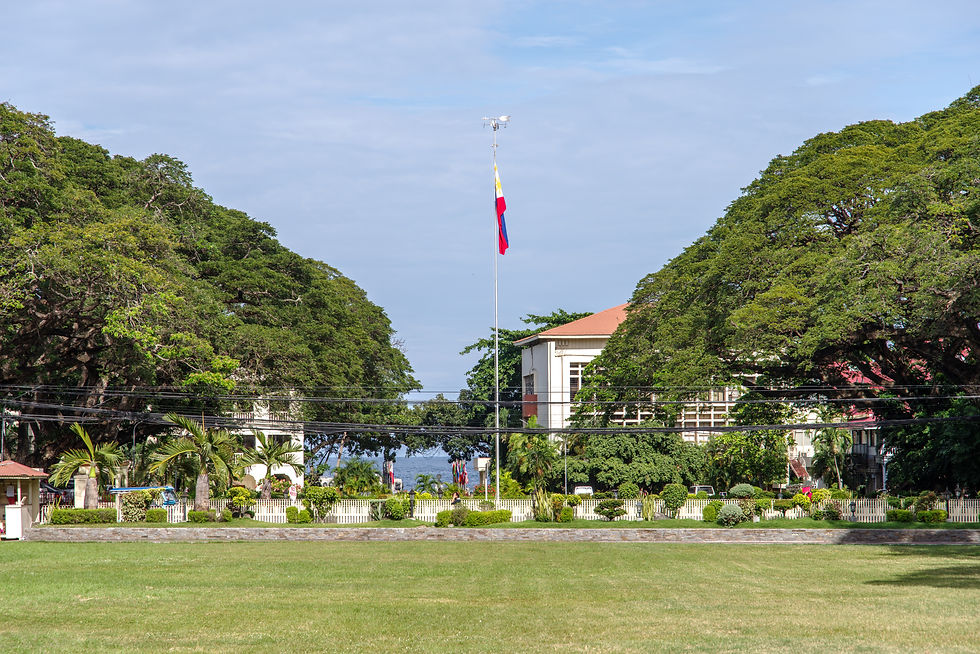
Understanding the Hot-Humid Climate Challenges
Tropical hot-humid climates typically feature temperatures above 25°C (77°F) year-round and relative humidity often exceeding 70%. These conditions can cause discomfort, mold growth, and material degradation if buildings are not designed properly. The key is to reduce heat gain, promote ventilation, and manage moisture.

Tropical Architectural Design for Natural Ventilation
One of the most effective ways to cool buildings in hot-humid environments is through natural ventilation. Architects use several techniques to encourage airflow:
Cross Ventilation: Positioning windows and openings on opposite walls allows air to flow through rooms, carrying heat and moisture away.
Stack Ventilation: Designing vertical shafts or high vents lets hot air rise and escape, drawing cooler air in from lower openings.
Open Floor Plans: Minimizing internal barriers helps air circulate freely within the building.
For example, traditional Malay houses use large, operable windows and elevated floors to maximize airflow and reduce heat buildup.

Shading and Solar Control
Limiting direct sunlight reduces indoor temperatures and prevents glare. Effective shading strategies on Tropical Architectural Design includes:
Extended Roof Overhangs: Wide eaves block high-angle sun rays while allowing daylight.
Louvered Screens: Adjustable slats provide shade and ventilation simultaneously.
Vegetation: Trees and climbing plants shade walls and windows, cooling the surrounding air.
In Singapore, many modern buildings incorporate green facades and deep balconies to shield interiors from intense sun while maintaining airflow.

Material Choices and Building Orientation
Selecting materials that resist moisture and heat is crucial. Lightweight, breathable materials like bamboo, timber, and clay bricks help regulate indoor humidity. Reflective roofing materials reduce heat absorption.
Orienting buildings to minimize east and west exposures cuts down on harsh morning and afternoon sun. Aligning the longer sides of buildings along the north-south axis supports better ventilation and shading.

Integrating Water Features and Landscaping
Water elements such as ponds or fountains near buildings can cool the air through evaporation. Landscaping with native plants creates microclimates that reduce ambient temperatures and humidity around structures.
In tropical resorts, designers often place water bodies strategically to enhance outdoor comfort and improve the overall thermal environment.

Managing Moisture and Durability
High humidity increases the risk of mold and material decay. Architects address this by:
Using vapor-permeable membranes and breathable wall assemblies.
Elevating buildings to avoid ground moisture.
Designing roofs and walls with proper drainage and overhangs to prevent water infiltration.
These measures extend building life and maintain healthy indoor air quality.
Head over to our Resource Section for more insights and useful references from the related topic.


Comments