

Appraisers HATE This Trick - How to Prove Your DIY Reno's Real Worth? appraiser renovation
- Dennis Asis

- Sep 14, 2025
- 4 min read
Updated: Oct 27, 2025

Home renovations are a thrilling journey for many homeowners. Many choose the DIY route, thinking it will save money and increase their home's value. However, one hidden cost often goes unnoticed: the appraisal process. Research shows that banks may undervalue DIY renovations by as much as 300%. This blog post dives into the reasons behind this appraisal issue and offers homeowners practical steps to ensure their hard work is recognized.
Understanding the Appraisal Process appraiser renovation
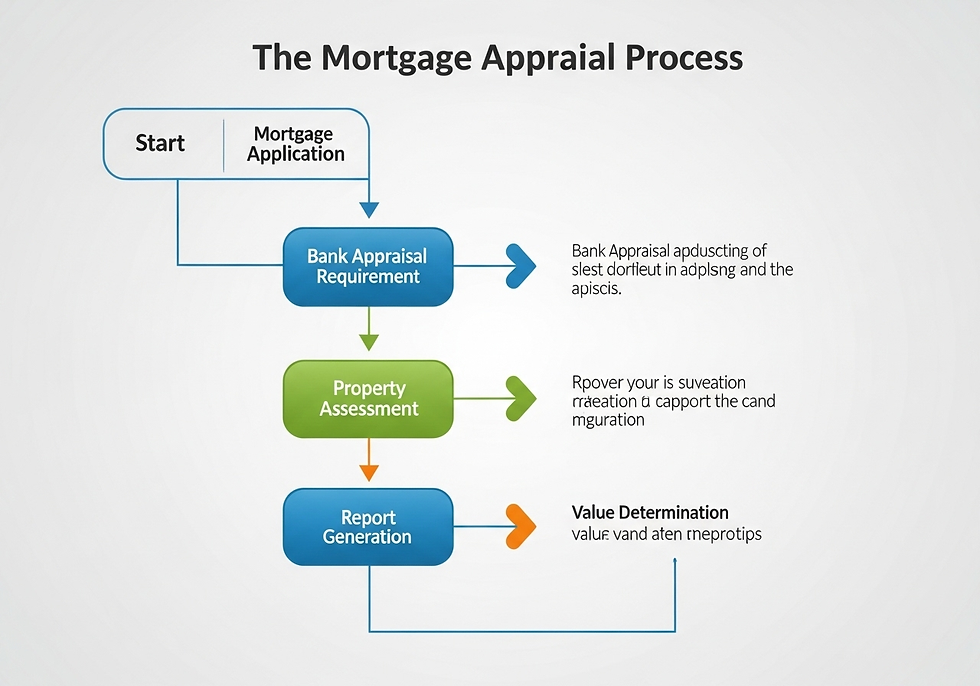
The appraisal process plays a vital role in determining a property's value. When seeking a mortgage or refinancing, banks require an appraisal to evaluate the home's worth. A licensed appraiser assesses various factors, including the property’s condition, location, and recent sales of comparable homes.
However, there is a notable bias that appraisers often hold toward renovations completed by professionals. This bias can create significant discrepancies in the valuation of DIY projects, leaving many homeowners feeling undervalued despite their efforts.
The DIY Renovation Boom
The DIY renovation trend has truly taken off in recent years. With access to countless online tutorials and popular home improvement shows, homeowners feel more empowered to tackle renovations themselves. From kitchen remodels to bathroom upgrades, these projects can be rewarding and add personal flair to a home.

Despite this, some homeowners are shocked to find out that their renovations may not significantly boost their home's value during appraisal. Stats show around 50% of DIY renovators believe their projects improved their property’s value, yet many face appraisal challenges.
Why Banks Undervalue DIY Renovations
Lack of Professional Standards
One significant reason banks undervalue DIY renovations is the absence of professional standards. Appraisers typically look for quality workmanship and compliance with building codes. Many DIY projects may fall short of these expectations, leading appraisers to question their contribution to the home's value.

Perception of Quality
Perception plays a crucial role as well. Appraisers often view DIY renovations as inferior to those done by professionals. Even a project supported by time and skill might not get the recognition it deserves. This bias can lead to an overall undervaluation of the property.

Limited Market Data
Another reason behind the undervaluation of DIY renovations is the limited market data available. Appraisers rely heavily on comparable sales to gauge a property's value. If there are few or no similar homes with DIY renovations in the area, it can be challenging for an appraiser to support a higher valuation.
The Impact on Homeowners
The effects of this appraisal issue can be quite serious. When a home is undervalued, homeowners may struggle to refinance, sell, or secure a home equity loan. This can cause financial stress and frustration for those who have poured both time and money into their projects.

Real-Life Examples
To illustrate, imagine a homeowner investing $30,000 in a DIY kitchen remodel. They carefully select materials, design the layout, and execute the work themselves. When the appraisal occurs, however, the bank only increases the home’s value by $21,000. This results in a $9,000 loss in perceived value, which can be emotionally and financially distressing.
How Homeowners Can Combat the Appraisal Scam? appraiser renovation
Document Everything
One effective way to address the undervaluation of DIY renovations is thorough documentation. Keep track of all materials purchased, capture before-and-after photos, and retain any building permits obtained. This evidence can showcase the quality and effort invested in the project.

Hire a Pre-Appraisal
Before the official bank appraisal, consider engaging a pre-appraisal service. These experts can provide an independent assessment of your home and identify areas for improvement ahead of the bank's appraisal.
Educate the Appraiser
If significant DIY renovations have been completed, take time to inform the appraiser. Show them your documentation and explain the work accomplished. This proactive communication can help them better appreciate the value of your renovations.
Choose the Right Appraiser
Not all appraisers understand the nuances of DIY renovations. It is important to select one who has experience with homes in your area and values DIY projects. A seasoned appraiser is more likely to recognize the importance of your work and adjust their valuation accordingly.
Maximizing Your Renovation Investment
The issue of undervaluing DIY renovations by substantial amounts can be frustrating for homeowners. Nevertheless, by grasping the appraisal process and engaging in proactive strategies, renovations can be appreciated more fairly.

Through meticulous documentation and effective communication with appraisers, homeowners can better navigate this appraisal challenge. Your hard work deserves acknowledgment, and with the right approach, you can ensure that your home reflects the true value of your renovations.
In essence, understanding the appraisal process can empower homeowners to navigate these challenges with confidence. Your DIY renovations are a testament to your creativity and effort—make sure they shine in your home’s valuation. Happy renovating!
Learn more related topics from our well curated reference. Head over to our Resource Page
![Complete Home Renovation Guide: Everything You Need to Know [2025]](https://static.wixstatic.com/media/11062b_1423eb2b2b8545eeb10ab9c6f8dfbf8d~mv2.jpg/v1/fill/w_980,h_653,al_c,q_85,usm_0.66_1.00_0.01,enc_avif,quality_auto/11062b_1423eb2b2b8545eeb10ab9c6f8dfbf8d~mv2.jpg)


Comments