

Truth in Cultural Appropriation Facade in Western architectural heritage design Practices?


Cultural appropriation in business is more than a buzzword. It is a real issue where Western companies take indigenous designs and claim them as their own, often winning awards and gaining prestige without crediting the original creators. This practice not only robs indigenous communities of their cultural heritage but also distorts the value and meaning behind their art. Understanding this problem is essential to recognizing how widespread and damaging this exploitation can be.
How Western Firms Use Indigenous Designs?
Many Western firms seek inspiration from indigenous cultures for their products, especially in fashion, home decor, and graphic design. They often take traditional patterns, symbols, or techniques and incorporate them into their collections. The problem arises when these firms do not acknowledge the source or compensate the indigenous communities. Instead, they present these designs as fresh, innovative creations, sometimes even winning prestigious awards for them.
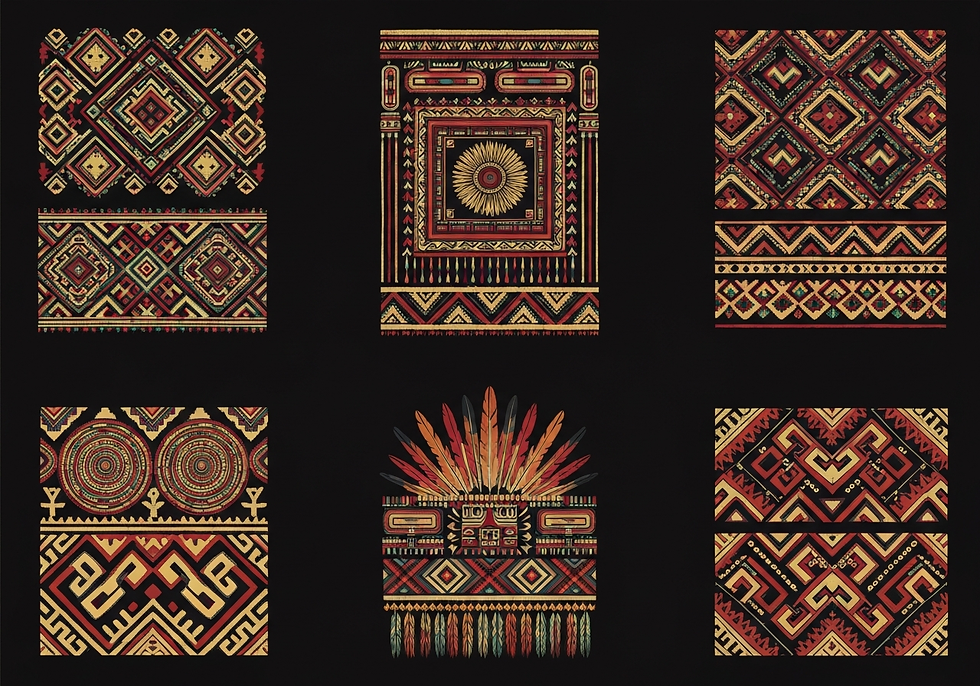
For example, a well-known fashion brand once released a line featuring Native American patterns without consulting any tribal members. The designs were praised in the media and received design awards, while the indigenous artists remained unrecognized and uncompensated. This practice creates a false narrative that Western companies are the creators of these cultural expressions.
The Impact on Indigenous Communities
The consequences of this cultural theft go beyond lost income. Indigenous designs carry deep cultural, spiritual, and historical significance. When these designs are taken out of context and commercialized, their meaning is diluted or erased. This can lead to cultural misunderstandings and disrespect.

Moreover, indigenous artists often struggle to protect their intellectual property because many legal systems do not recognize traditional knowledge as protected work. This leaves communities vulnerable to exploitation by companies that have the resources to patent or trademark designs that belong to entire cultures.
Why architectural heritage Awards Fuel the Problem?
Awards given to Western firms for using architectural heritage indigenous designs without proper credit reinforce the problem. These accolades boost the companies’ reputations and profits, encouraging others to follow suit. The awards create a cycle where cultural appropriation is rewarded rather than challenged.

Instead of celebrating true innovation, these awards often highlight the ability to repurpose existing cultural heritage without permission. This sends a message that cultural exploitation is acceptable if it leads to commercial success.
Steps Toward Respectful Collaboration of architectural heritage
To move away from this harmful practice, companies must adopt respectful and ethical approaches:
Engage with Indigenous Communities
Collaborate directly with indigenous artists and leaders to ensure designs are used with permission and respect.
Provide Fair Compensation
Share profits and royalties with the original creators to support their communities.

Educate Consumers
Be transparent about the origins of designs and the cultural significance behind them.
Support Legal Protections
Advocate for stronger intellectual property laws that recognize and protect traditional knowledge.
Some brands have started to follow these steps, partnering with indigenous artisans and giving them a platform to share their culture on their own terms. These collaborations benefit both parties and help preserve cultural heritage.

Recognizing True Creativity Means Respecting architectural heritage Origins
The cultural appropriation facade in Western business practices hides a serious issue: the exploitation of indigenous designs for profit and prestige. By exposing this problem, consumers and companies can push for change. True creativity respects the origins of ideas and gives credit where it is due. Supporting indigenous artists and communities not only preserves cultural heritage but also enriches the global creative landscape.
Head over to our Resource Section for more insights and useful references.


Comments