

Exploring Supplemental Services: Expanding the Architectural career jobs Role Beyond Traditional Design
- Dennis Asis

- Jan 6
- 5 min read





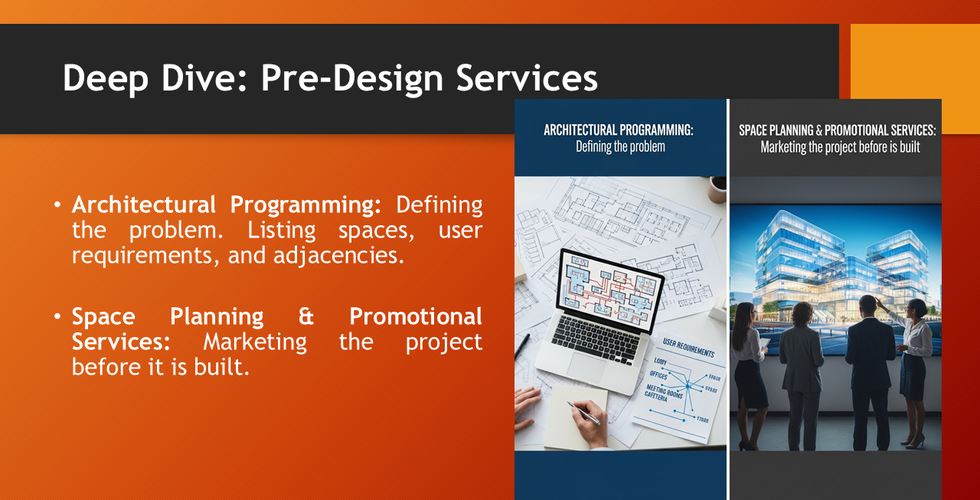




Architecture often brings to mind images of blueprints, building designs, and construction sites. Yet, the role of an architect extends far beyond creating aesthetically pleasing and functional structures. Today, architects offer a wide range of supplemental services that support clients throughout the entire lifecycle of a project. These services add value, improve project outcomes, and reflect the evolving demands of the built environment.
This topic explores the supplemental services architects provide beyond traditional design roles. Understanding these services helps clients and professionals appreciate the full scope of what architects can offer.

What Are Supplemental Services in Architectural career jobs?
Supplemental services refer to additional tasks and responsibilities architects take on outside their core design and documentation work. These services often address specific client needs, regulatory requirements, or project complexities. They can be requested at any stage of a project and may involve specialized expertise.
By offering supplemental services, architects become more involved in project management, sustainability, technical coordination, and even post-construction activities. This expanded role helps ensure projects run smoothly, meet quality standards, and align with client goals.

Common Supplemental Services Architects Provide
Project Feasibility and Site Analysis
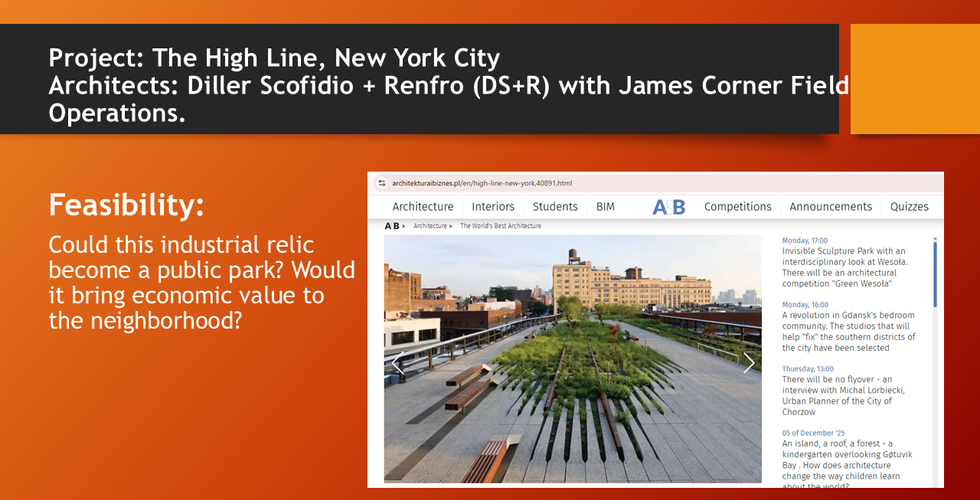
Before design begins, architects often conduct feasibility studies and site analyses. This involves evaluating the physical, environmental, and regulatory conditions of a site to determine if a project is viable. architectural career jobs
Assess zoning laws and building codes
Analyze topography, soil conditions, and climate factors
Estimate preliminary costs and timelines
For example, an architect working on a community center might study local traffic patterns and sunlight exposure to optimize building placement and accessibility.

Construction Administration and Oversight
Once construction starts, architects can provide construction administration services. This means acting as the client’s representative on-site to ensure the project follows design intent and quality standards.
Review contractor submittals and shop drawings
Conduct site visits and inspections
Address unforeseen issues or design clarifications
This service helps prevent costly mistakes and delays. For instance, an architect might identify a mismatch between specified materials and what the contractor proposes, ensuring corrections before installation.

Sustainability Consulting
Sustainability has become a key focus in architecture. Many architects now offer consulting to help projects reduce environmental impact and improve energy efficiency.
Recommend green building materials and systems
Assist with LEED certification or other green standards
Analyze energy use and daylighting strategies
A residential architect might suggest solar panels, rainwater harvesting, or passive cooling techniques to lower a home’s carbon footprint and utility costs.

Interior Design and Space Planning
While some architects specialize in exterior design, many also provide interior design services. This includes planning layouts, selecting finishes, and coordinating furniture.
Optimize space usage for functionality and flow
Choose colors, textures, and lighting to enhance ambiance
Coordinate with contractors and suppliers for installations
For example, an architect designing an office might create flexible workspaces that encourage collaboration while maximizing natural light.

Historic Preservation and Adaptive Reuse
Architects with expertise in historic preservation help maintain and restore older buildings. They also guide adaptive reuse projects that transform existing structures for new purposes.
Document and assess historic features
Develop restoration plans that respect original character
Navigate preservation regulations and approvals
A good example is converting an old factory into apartments, where the architect balances modern needs with heritage conservation.

Building Information Modeling (BIM) and 3D Visualization
Advanced digital tools have become supplemental services that architects offer to improve communication and coordination.
Create detailed 3D models for design review
Simulate construction sequencing and clash detection
Provide virtual walkthroughs for client presentations
These tools help clients visualize the final product and identify potential problems early.

Accessibility Consulting
Ensuring buildings are accessible to all users is both a legal requirement and a social responsibility. Architects can provide specialized consulting to meet accessibility standards.
Review designs for compliance with ADA or local codes
Recommend solutions for mobility, vision, and hearing impairments
Conduct accessibility audits of existing buildings
This service supports inclusive design that benefits everyone.
Why Supplemental Services Matter?
Supplemental services expand the architect’s role from a designer to a trusted advisor and project partner. They help clients navigate complex challenges, reduce risks, and achieve better outcomes. These services also reflect how architecture intersects with technology, sustainability, and social needs.
Clients benefit from having a single professional or firm manage multiple aspects of a project, improving coordination and communication. Architects gain opportunities to deepen their expertise and build stronger client relationships.

How to Choose the Right Supplemental Services?
Clients should consider their project goals, budget, and timeline when selecting supplemental services. Early discussions with the architect can clarify which services add the most value.
For complex sites, feasibility studies are essential
Large projects benefit from construction administration
Green building goals call for sustainability consulting
Historic buildings require preservation expertise
Clear agreements on scope and fees help avoid misunderstandings.
Final Thoughts on the Architect’s Expanded Role
The architect’s role has grown well beyond drawing plans. Supplemental services allow architects to support clients through every phase of a project, from initial analysis to post-construction care. These services improve project quality, efficiency, and sustainability.

Head over to our Resource Section for more insights and useful references.



Comments