

Exploring the Philippine Green Building Code and GREEEN Standards for Tropical Sustainability

Sustainable building practices are essential in tropical countries like the Philippines, where climate conditions demand energy-efficient and environmentally friendly designs. The Philippine Green Building Code (PGBC) and the GREEEN Standards provide frameworks that guide architects, builders, and developers toward creating structures that respond to the unique challenges of tropical sustainability. Understanding these frameworks helps promote healthier environments, reduce energy consumption, and support long-term ecological balance.

The Philippine Green Building Code: A Framework for Sustainable Construction
The Philippine Green Building Code was enacted to establish minimum requirements for green building design, construction, and operation. It aims to reduce the environmental impact of buildings while improving occupant comfort and health. The code addresses several key areas:
Energy efficiency: Encourages the use of natural ventilation, shading devices, and energy-saving lighting and appliances.
Water conservation: Promotes rainwater harvesting, efficient plumbing fixtures, and wastewater treatment.
Waste management: Supports recycling and proper disposal of construction debris.
Materials: Recommends the use of locally sourced, sustainable, and non-toxic materials.
Indoor air quality: Sets standards for ventilation and limits on harmful chemicals.
For example, buildings designed under the PGBC often feature wide eaves and operable windows to maximize airflow and reduce reliance on air conditioning. This approach suits the hot and humid tropical climate, lowering energy costs and improving indoor comfort.

GREEEN Standards: A Voluntary Certification for Green Buildings
The GREEEN (Green Rating for Environmental Excellence) Standards complement the PGBC by offering a voluntary certification system. Developed by the Philippine Green Building Council, GREEEN provides a rating scale that measures a building’s sustainability performance across several categories:
Site development and management
Energy efficiency
Water efficiency
Materials and resources
Indoor environmental quality
Innovation and design process

Modern building showcasing LEED certification levels, from Certified to Platinum, highlighting sustainability achievements.
Buildings earn points based on their performance in these areas, with higher scores leading to certification levels such as Certified, Silver, Gold, or Platinum. This system encourages developers to go beyond minimum code requirements and adopt best practices in tropical sustainability.
A notable example is a residential project that achieved Gold certification by integrating solar panels, rainwater collection systems, and native landscaping. These features reduced the building’s carbon footprint and enhanced its resilience to local weather conditions.
Practical Benefits of Adopting These Philippine Green Building Code and GREEEN Standards Frameworks.
Using the Philippine Green Building Code and GREEEN Standards offers several advantages:
Lower energy bills: Efficient designs reduce electricity use for cooling and lighting.
Improved occupant health: Better air quality and natural lighting create healthier indoor environments.
Environmental protection: Reduced water use and waste help conserve natural resources.
Market value: Green-certified buildings often attract higher property values and tenant interest.
Climate resilience: Sustainable features help buildings withstand extreme weather events common in tropical areas.
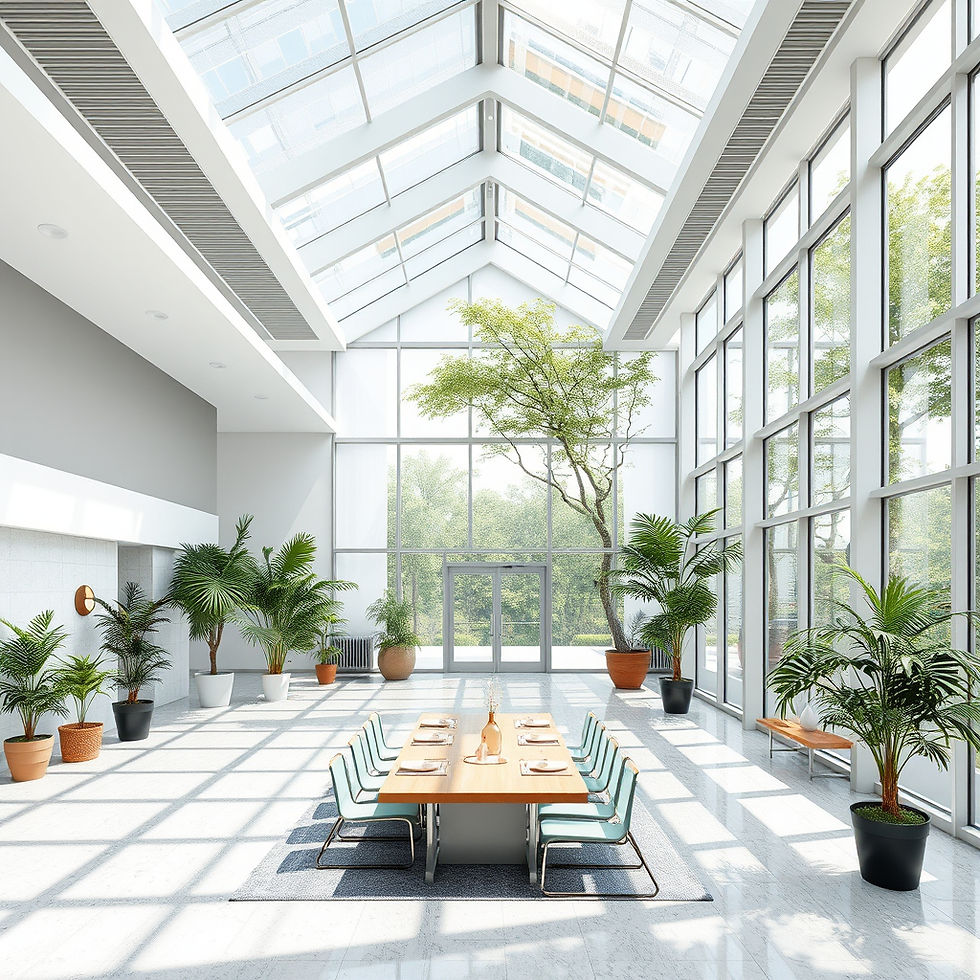
This modern dining area, bathed in natural light from the expansive skylight, features a sleek wooden table with turquoise chairs. Surrounded by lush potted plants, the space combines elegance and nature, creating a serene and inviting atmosphere.
Moving Toward a Sustainable Future in the Philippines
The Philippine Green Building Code and GREEEN Standards provide clear, practical frameworks for tropical sustainability. They encourage designs that respect the environment while meeting the needs of occupants and developers. As more projects adopt these guidelines, the country can reduce its environmental impact and build healthier communities.
Head over to our Resource Section for more insights and useful references.


Comments