

The Journey of West Asiatic Architecture to Persian Architectural Innovations
- Dennis Asis

- Feb 21
- 2 min read


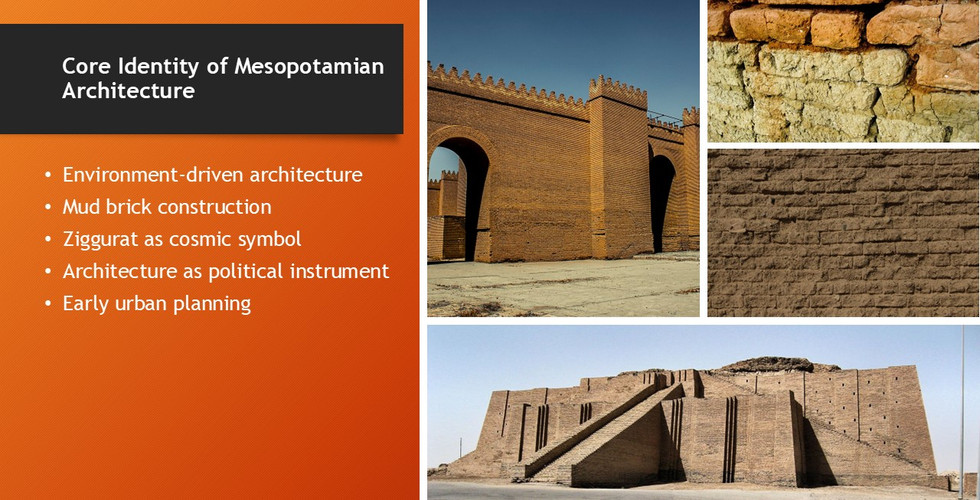










West Asiatic architecture reveals a fascinating story of cultural exchange, adaptation, and transformation. This architectural tradition, rooted in ancient Mesopotamia and surrounding regions, laid the foundation for the grand designs that later defined Persian architecture. Understanding this journey helps us appreciate how early styles evolved into the monumental and refined structures of the Persian Empire.
Character of West Asiatic Architecture
West Asiatic architecture is known for its distinctive use of materials, forms, and symbolic elements. Early builders primarily used mud bricks and baked bricks, which were abundant in the region. Structures often featured massive walls, flat roofs, and rectangular layouts. Temples, palaces, and city walls dominated the architectural landscape.
Key features include:
Ziggurats: Step-like temple towers that served religious purposes, such as the famous Ziggurat of Ur.
Decorative reliefs: Bas-reliefs depicting mythological scenes and royal achievements adorned palace walls.
Fortified cities: Thick defensive walls with gateways, like those in Babylon, showcased advanced urban planning.
These elements reflected the social and religious priorities of West Asiatic societies, emphasizing protection, worship, and royal authority.
Evolution Through Cultural Interactions
West Asiatic architecture did not develop in isolation. Trade, conquest, and diplomacy brought new ideas and techniques. The Assyrians, Babylonians, and Elamites contributed to a shared architectural vocabulary. For example, the Assyrians introduced grandiose palace complexes with extensive courtyards and intricate stone carvings.
The use of the arch and vault began to appear, improving structural stability and allowing for larger interior spaces. Decorative motifs also evolved, incorporating animal figures and floral patterns that symbolized power and fertility.
This period saw a gradual shift from purely functional designs to more elaborate and symbolic architecture, setting the stage for Persian innovations.
Transition to Persian Architecture
The rise of the Achaemenid Empire marked a turning point. Persian architects absorbed West Asiatic traditions and combined them with influences from Egypt, Greece, and Central Asia. This fusion created a new architectural language characterized by monumental scale, refined decoration, and innovative engineering.
Notable Persian architectural achievements include:
Persepolis: The ceremonial capital featured grand columns, expansive terraces, and detailed reliefs celebrating the empire’s diversity.
Apadana halls: Large audience halls with towering columns and intricate capitals symbolized imperial power.
Use of stone: Unlike earlier mud brick constructions, Persians favored stone, which allowed for durability and artistic detail.
Persian architecture emphasized harmony between form and function, blending aesthetics with structural ingenuity. The legacy of West Asiatic architecture remained visible but was transformed into a more sophisticated and cosmopolitan style.
Lasting Impact and Legacy
The journey from West Asiatic architecture to Persian innovations illustrates how architectural traditions evolve through cultural exchange and adaptation. Persian architecture influenced later Islamic architecture, visible in the use of columns, decorative reliefs, and monumental gateways.

Head over to our Resource Section for more insights and useful references.


Comments