

Understanding Smart Building Technology and Its Benefits


Smart building technology is transforming the way we design, operate, and experience buildings. It uses connected devices and systems to improve efficiency, comfort, and safety. This technology is no longer limited to futuristic concepts; it is becoming a practical solution for homes, offices, and public spaces.
What Is Smart Building Technology?
Smart building technology integrates sensors, automation, and data analytics to control various building functions. These functions include lighting, heating, ventilation, air conditioning (HVAC), security, and energy management. The goal is to create an environment that adapts to the needs of occupants while reducing waste and costs.
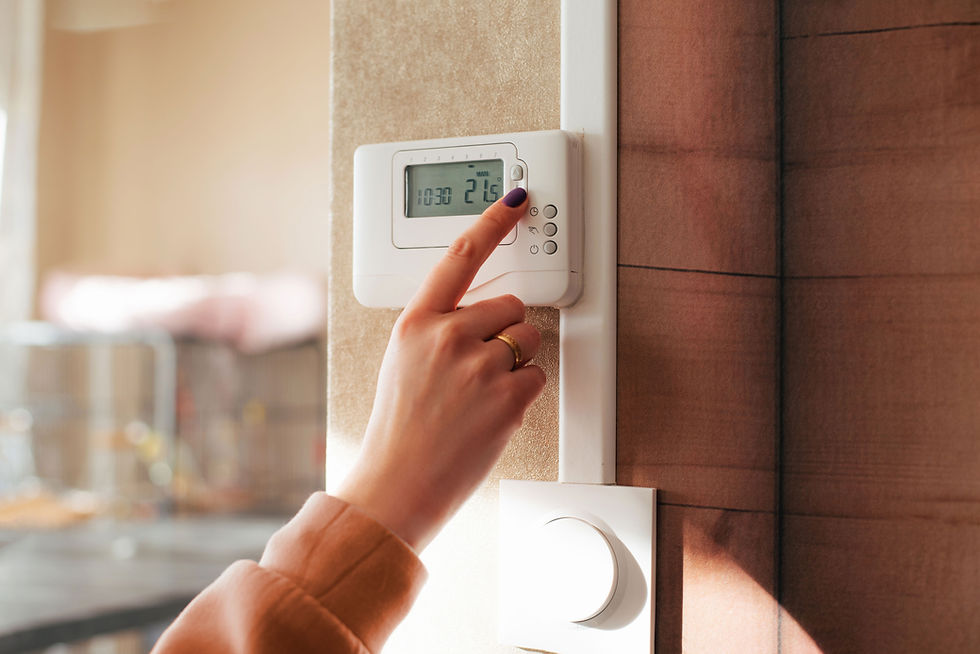
For example, smart thermostats adjust temperature based on occupancy patterns, and lighting systems turn off automatically when rooms are empty. These systems communicate through a central platform, allowing building managers or homeowners to monitor and control settings remotely via smartphones or computers.

Key Components of Smart Buildings
Sensors: Detect motion, temperature, humidity, light levels, and air quality.
Automation Systems: Manage devices like HVAC, lighting, and security based on sensor data.
Connectivity: Use Wi-Fi, Bluetooth, or other networks to link devices.
Data Analytics: Analyze collected data to optimize building performance.
User Interfaces: Provide easy control through apps or voice commands.
These components work together to create a responsive environment that improves user experience and operational efficiency.

Benefits of Smart Building Technology
Smart buildings offer several advantages that make them attractive to property owners and occupants alike.
Energy Savings
Smart systems reduce energy consumption by adjusting lighting and temperature only when needed. Studies show that smart HVAC controls can cut energy use by up to 30%. This not only lowers utility bills but also reduces the building’s carbon footprint.

Enhanced Comfort and Convenience
Occupants enjoy personalized settings for lighting and temperature, improving comfort. For instance, smart blinds can adjust automatically to control sunlight and glare, creating a pleasant indoor atmosphere without manual effort.
Improved Security
Smart security systems include cameras, motion detectors, and access controls that can be monitored remotely. Alerts notify users of unusual activity, helping prevent break-ins or unauthorized access.

Maintenance and Cost Efficiency
Sensors can detect equipment issues early, allowing for preventive maintenance. This reduces downtime and repair costs. For example, a smart elevator system can alert technicians before a failure occurs, ensuring continuous operation.
Environmental Impact
By optimizing resource use, smart buildings contribute to sustainability goals. They support green building certifications and help cities reduce overall energy demand.
Practical Examples of Smart Building Technology
Office Buildings: Automated lighting and HVAC systems adjust based on occupancy, reducing energy waste during off-hours.
Residential Homes: Smart thermostats learn residents’ schedules and preferences, maintaining comfort while saving energy.
Hospitals: Sensors monitor air quality and control ventilation to reduce the spread of infections.
Retail Stores: Smart lighting enhances product displays and adjusts to natural light, improving customer experience.

A woman relaxes in a minimalist living space, enjoying a tranquil moment with an open view of a sunlit garden.
Moving Forward with Smart Buildings
Smart building technology is becoming more accessible and affordable. As more devices connect to the internet, buildings will continue to get smarter and more efficient. Property owners should consider investing in these systems to improve comfort, reduce costs, and support environmental goals.
Head over to our Resource Section for more insights and useful references from the related topic.


Comments