

Understanding the Phases and Core Principles of the Architectural Design Process

Architectural design is a complex journey that transforms ideas into physical spaces. This process involves a series of phases and steps that guide architects from initial concepts to completed structures. Understanding these phases helps clarify how architects balance creativity, functionality, and technical requirements to create buildings that serve their purpose and inspire those who use them.

The Phases of the Architectural Design Process
The architectural design process typically unfolds in several key phases, each with distinct goals and activities:
1. Pre-Design and Research
This phase sets the foundation for the entire project. Architects gather information about the site, client needs, budget, and regulations. They analyze the context, including environmental factors and local building codes. This research ensures the design will be feasible and aligned with the client’s vision.
2. Schematic Design
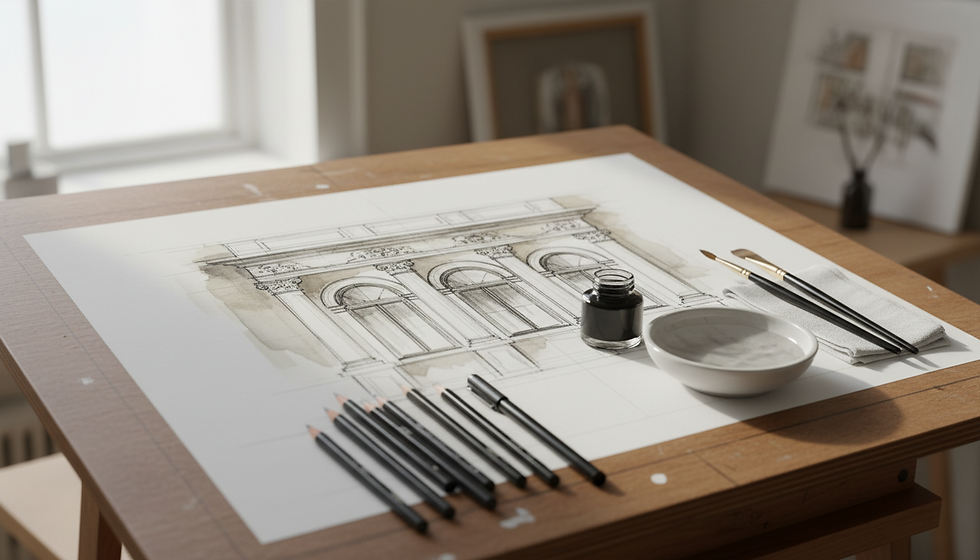
During schematic design, architects develop initial concepts and layouts. They explore different ideas for the building’s form, spatial organization, and relationship to the site. Sketches and rough models help visualize options. The goal is to establish a clear direction that meets functional needs and aesthetic goals.

3. Design Development
In this phase, architects refine the chosen concept. They work out details such as materials, structural systems, and building technologies. Collaboration with engineers and consultants becomes crucial to address technical challenges. The design becomes more detailed and closer to the final vision.
4. Construction Documentation
Architects prepare detailed drawings and specifications that contractors will use to build the project. These documents include floor plans, elevations, sections, and technical details. Accuracy is essential to avoid misunderstandings and ensure the design is executed correctly.

5. Construction Administration
During construction, architects monitor progress to ensure the building matches the design intent. They address any issues that arise, review contractor work, and approve changes if necessary. This phase ensures quality control and adherence to the original plan.
Core Principles Guiding the Design Process
Several principles underpin the architectural design process, helping architects create meaningful and functional spaces:
User-Centered Design
Architects prioritize the needs and experiences of the building’s users. This means considering comfort, accessibility, and how people will interact with the space.
Contextual Awareness
Designs respond to the environment and cultural context. For example, a building in a historic district might reflect local architectural styles, while one in a natural setting might emphasize sustainability.

Functionality and Efficiency
Every design decision supports the building’s purpose. Efficient layouts, appropriate materials, and sustainable systems reduce waste and improve usability.
Creativity Balanced with Practicality
Innovative ideas must be achievable within budget and technical constraints. Architects find solutions that are both imaginative and buildable.
Collaboration
Successful projects involve teamwork among architects, clients, engineers, and contractors. Open communication ensures all perspectives shape the final design.

Practical Example
Consider a community library project. In pre-design, the architect studies the neighborhood’s demographics and site conditions. During schematic design, they propose a layout that encourages social interaction and easy navigation. Design development focuses on natural lighting and energy-efficient materials. Construction documents detail the structure and finishes. Finally, during construction, the architect visits the site regularly to ensure the library is built as planned.
This process ensures the library is welcoming, sustainable, and functional for its users.
Head over to our Resource Section for more insights and useful references.


Comments