

Innovative Environmental Concepts for Energy Conservation in Architectural Design

Energy conservation has become a critical focus in architecture as the world faces rising energy demands and environmental challenges. Designing buildings that use less energy not only reduces costs but also lowers carbon footprints. This post explores practical environmental concepts that architects can apply to create energy-efficient buildings without sacrificing comfort or style.
Passive Design Strategies
Passive design uses natural elements to regulate building temperature and lighting, reducing reliance on mechanical systems. Key strategies include:
Orientation: Positioning a building to maximize sunlight in winter and minimize heat in summer. For example, south-facing windows in the northern hemisphere capture solar heat during colder months.
Natural Ventilation: Designing windows and openings to encourage airflow, which cools interiors without air conditioning.
Thermal Mass: Using materials like concrete or brick that absorb heat during the day and release it at night, stabilizing indoor temperatures.
Shading Devices: Overhangs, louvers, and vegetation block excessive sunlight, preventing overheating.
These methods reduce energy consumption by harnessing the environment’s natural properties.

Use of Sustainable Materials
Choosing materials with low environmental impact supports energy conservation in two ways: reducing the energy used in production and improving building performance. Examples include:
Insulation made from recycled or natural fibers such as cellulose or sheep’s wool.
Low-emissivity (Low-E) glass that limits heat transfer through windows.
Locally sourced materials to cut transportation energy.
Sustainable materials help maintain comfortable indoor conditions with less energy input. Energy Conservation in Architectural Design

Integration of Renewable Energy Systems
Incorporating renewable energy sources directly into building design can significantly cut energy use from fossil fuels. Common approaches are:
Solar panels on roofs or facades to generate electricity or heat water.
Geothermal heat pumps that use stable underground temperatures for heating and cooling.
Wind turbines in suitable locations to supplement power needs.
For example, the Bullitt Center in Seattle uses rooftop solar panels to produce more energy than it consumes annually, showcasing how design and technology work together.

Smart Building Technologies Energy Conservation in Architectural Design
Modern buildings increasingly use smart systems to monitor and control energy use. These include:
Automated lighting that adjusts based on occupancy and daylight.
Smart thermostats that learn user habits and optimize heating and cooling.
Energy management systems that track consumption and identify savings opportunities.
These technologies help reduce waste by ensuring energy is used only when and where needed.

Landscaping for Energy Efficiency
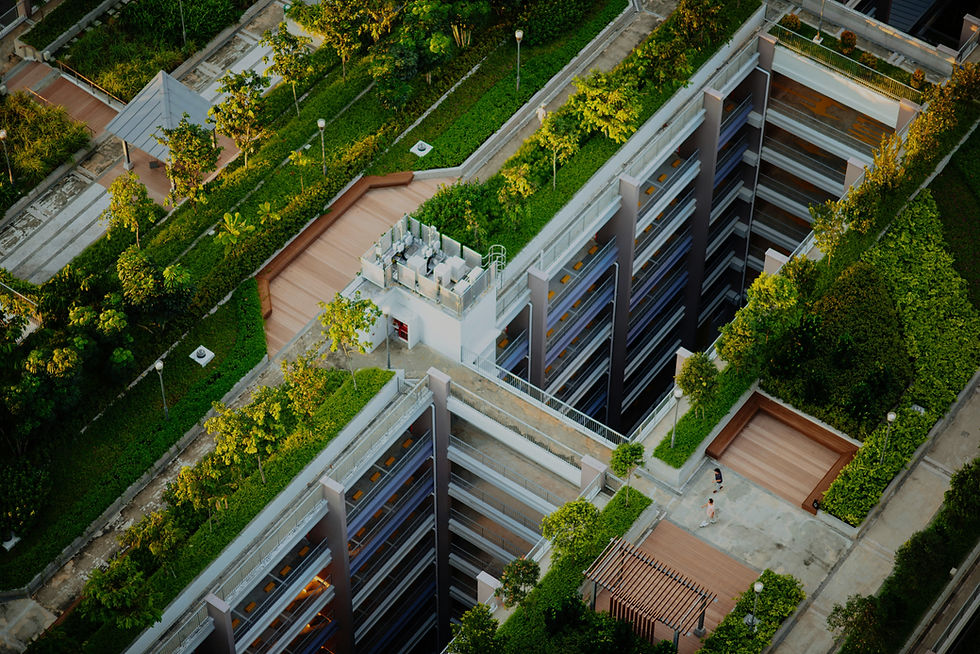
Landscaping plays a subtle but important role in energy conservation. Trees and shrubs can:
Provide shade to reduce cooling loads.
Act as windbreaks to lower heating needs.
Improve microclimate around the building.
For instance, deciduous trees planted on the south side of a home block summer sun but allow winter sunlight through after leaves fall.

Head over to our Resource Section for more insights and useful references from the related topic.


Comments