

Why 30-Year Shingle Roofing Warranty May Not Be Reliable After All

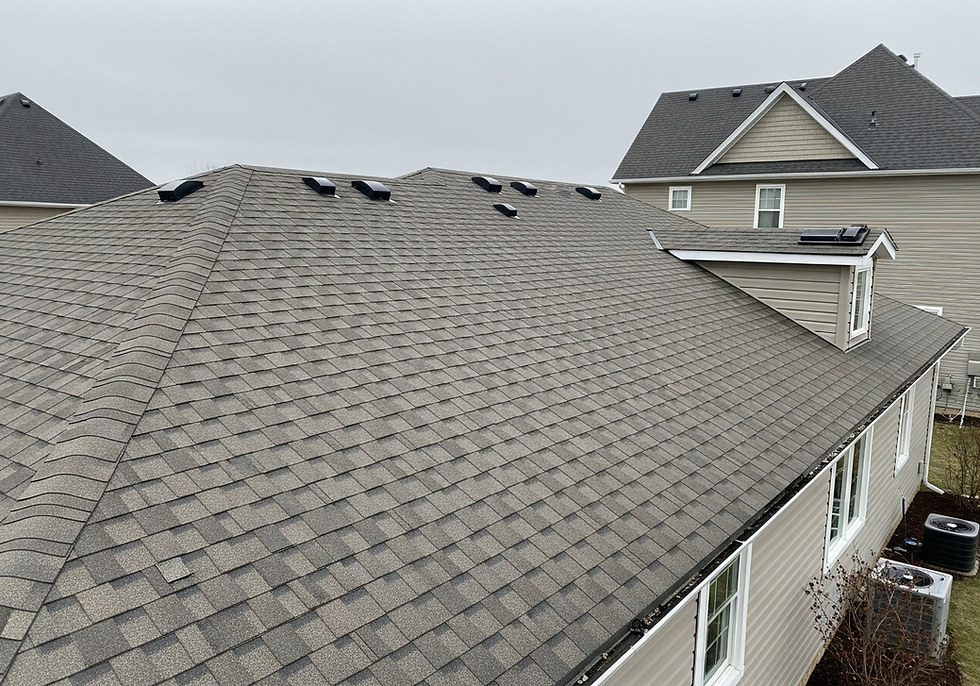
Many homeowners trust the promise of a 30-year shingle warranty when choosing roofing materials. The idea of a roof lasting three decades offers peace of mind and a sense of security. Yet, reality often tells a different story. Numerous roofs with these warranties fail well before the 30-year mark, sometimes within just 10 years. This raises an important question: are these warranties really worth the paper they’re printed on?
What Does a 30-Year Roofing Warranty Actually Cover?
A 30-year shingle warranty sounds impressive, but it’s crucial to understand what it truly guarantees. Most of these warranties cover manufacturing defects rather than normal wear and tear or damage caused by weather. That means if shingles crack or blister due to poor manufacturing, the company might replace them.
However, many common roofing problems fall outside warranty coverage:
Damage from hail, wind, or storms
Improper installation
Algae or moss growth
Color fading or granule loss due to sunlight exposure
Because of these exclusions, many homeowners find that their roof issues are not covered, even if the shingles fail prematurely.

Why Do Shingles Fail So Early?
Several factors contribute to shingles failing well before their warranty expires:
Climate and weather conditions: Harsh sun, heavy rain, and strong winds accelerate shingle wear. For example, roofs in hot southern states often degrade faster than those in milder climates.
Installation quality: Even the best shingles won’t last if they are installed incorrectly. Poor nailing, inadequate ventilation, or improper underlayment can cause early failure.
Material quality: Some manufacturers offer warranties on shingles that are not built to last 30 years. They may use lower-grade materials to reduce costs, knowing the warranty limits their liability.
Maintenance neglect: Roofs need regular inspections and upkeep. Ignoring minor issues can lead to bigger problems that the warranty won’t cover.

Well-maintained roofs stretch across a suburban neighborhood, framed by lush trees under a clear blue sky.
Real-World Examples
Consider a homeowner in Florida who installed a 30-year shingle roof. After just 8 years, the shingles began curling and losing granules. When they filed a warranty claim, the manufacturer denied it, citing wind damage and improper ventilation as causes. The homeowner had to replace the roof out of pocket.
In another case, a homeowner may found algae stains and discoloration after 10 years. The warranty did not cover this cosmetic damage, even though it affected the roof’s appearance and resale value.

What Should Homeowners Do?
Understanding the limits of shingle warranties helps homeowners make better decisions:
Ask detailed questions before purchase: What exactly does the warranty cover? Are labor and installation included?
Hire experienced, licensed roofers: Proper installation can extend roof life and prevent many issues.
Maintain your roof: Regular cleaning, inspections, and repairs can catch problems early.
Consider material quality over warranty length: Sometimes paying more for higher-quality shingles pays off in the long run.
Head over to our Resource Section for more insights and useful references.


Comments